A Letter from a Trauma Worker



Insights
In the wake of COVID-19, Connecticut faced a sobering reality: impaired driving was on the rise. Standard “don’t drink and drive” campaigns had become background noise — unheeded wallpaper in a world of jaded drivers. The primary challenge was message fatigue. Traditional scare tactics — mangled cars, stern officers, and legal threats — had lost their impact.
Idea
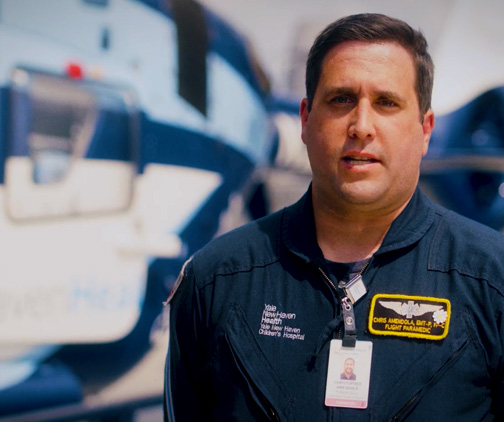
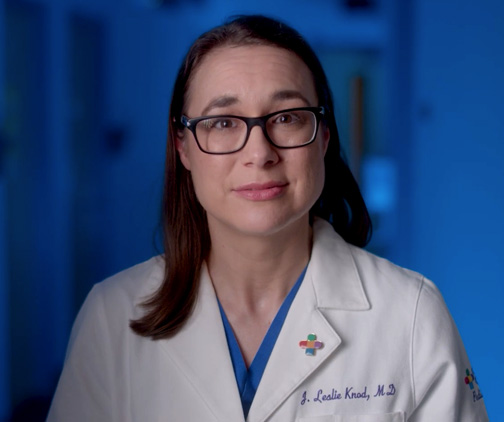
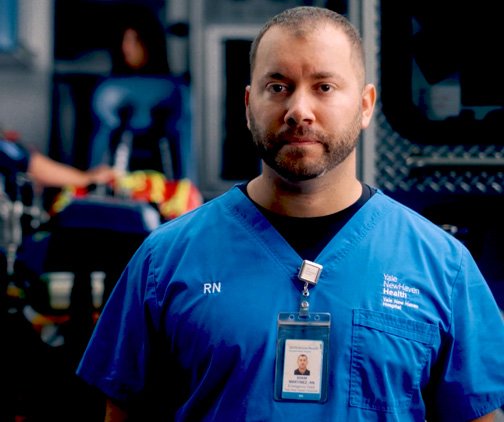
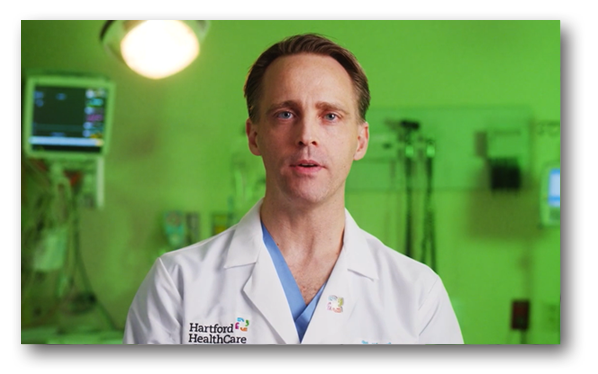
To shatter this apathy, we pivoted from faceless warnings to raw, human connection. We recruited real hospital trauma workers from every hospital system across Connecticut to speak directly to the audience, stripping away the clinical veneer to show that “one more” drink or joint carries a human cost far more devastating than a simple legal fine. This isn’t just a PSA; it’s a plea from the front lines of hospitals to stop the trauma before it reaches the operating table.
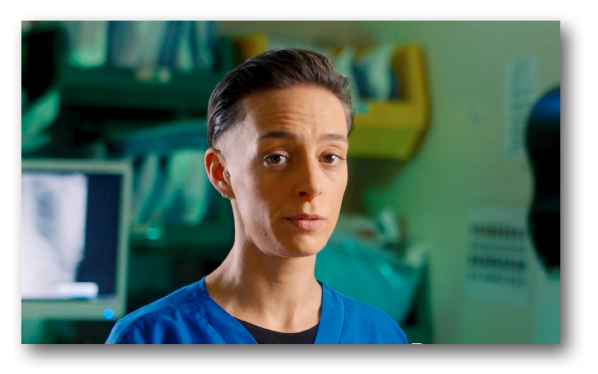

We filmed videos at hospitals across the state, featuring real trauma workers who were more than willing to speak directly to the camera — and impaired drivers. Click to watch.
![[image]](https://www.adamsknight.com/assets/1772138558-Mock3-Workers-Phone.png)
Videos were cut down for social feeds, capturing the attention of our audience while scrolling.
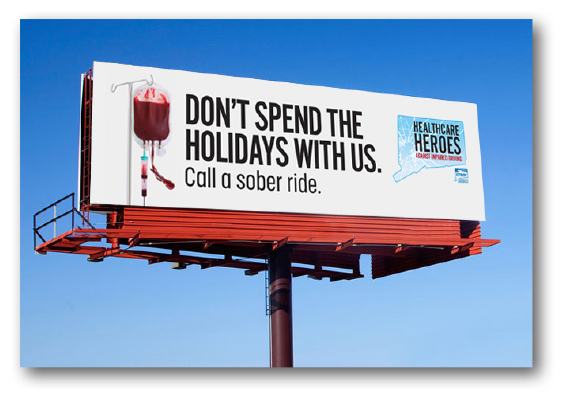
Since impaired driving often rises dramatically around holidays, we also focused messages around times that many find themselves celebrating. Click to view.
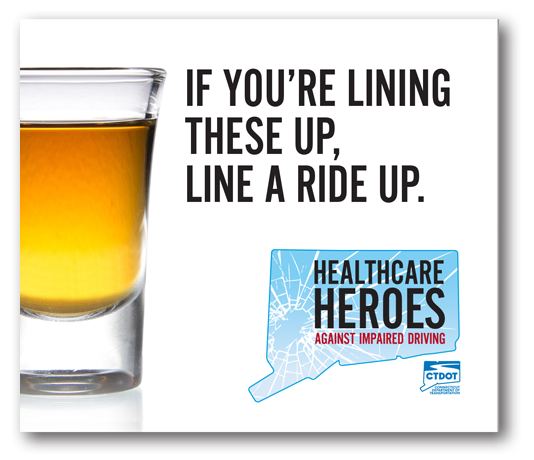
Display ads kept the messages short and simple across a wide swath of Connecticut websites. Click to watch.
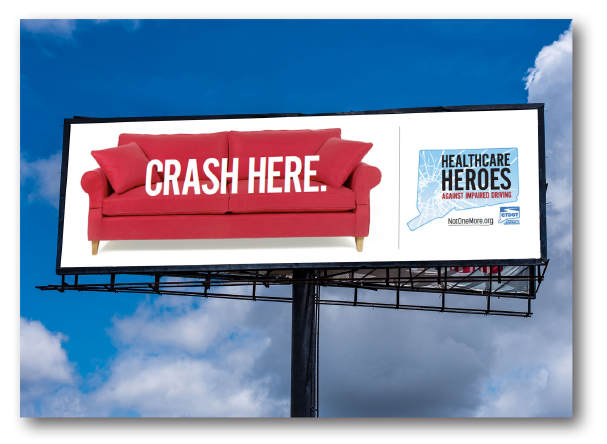
Out of home wasn’t always about scare tactics — we made sure to remind drivers of the many other options available to them. Click to view.
Impact
Research before the campaign validated that this approach could be highly effective. We surveyed CT residents with a current drivers’ license age 21+ and showed them the videos.
- More than 90% strongly agreed/agreed the videos were attention-getting, motivating, authentic, and compelling because it featured real trauma workers.
- More than half even rated their likelihood to share this video with a friend, loved one or others “7 or higher” on a scale of 10.
- More importantly, it’s one of the safe-driving initiatives that has contributed to a 23% decline in vehicle-related facilities in Connecticut in the past year.